
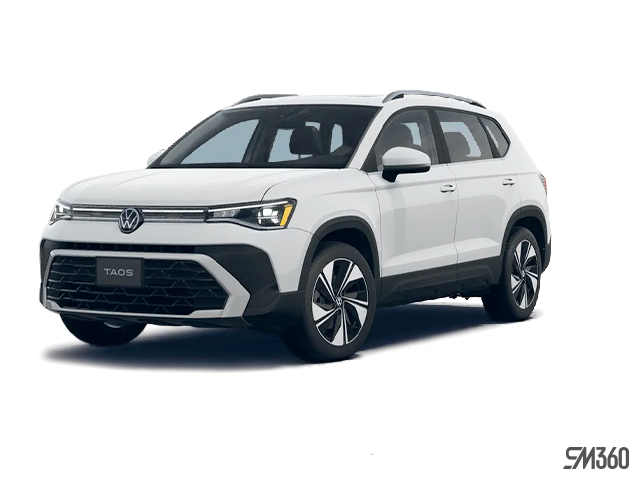
Photo for illustrative purposes only.
Find out moreOrillia Volkswagen
345 West Street South, Orillia, ON, L3V 5H1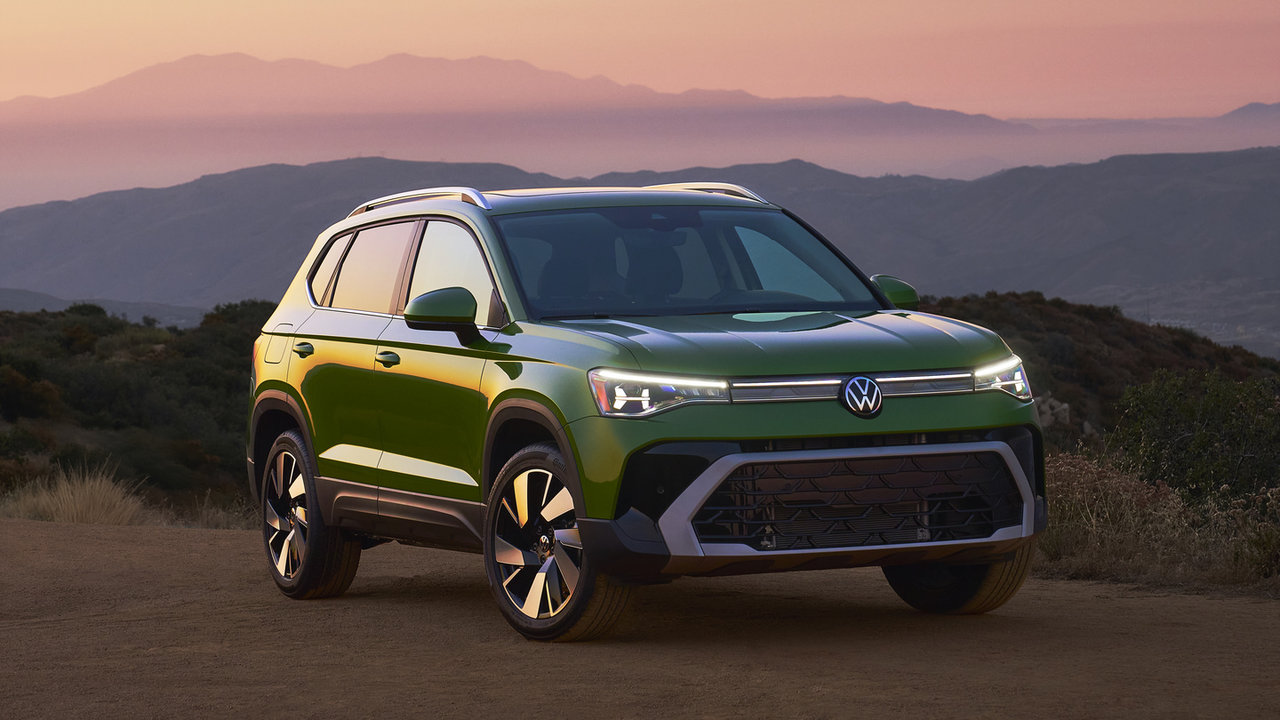
Long highway drives are where driver assistance technology earns its place. The stop-and-go city features matter in urban traffic, but on a multi-hour stretch of open highway, a different set of systems becomes relevant: adaptive cruise that holds a following distance automatically, lane-keeping that reduces the constant micro-corrections a driver makes over hours, and emergency intervention that responds if attention lapses. Volkswagen's IQ.DRIVE suite covers all of these, and understanding exactly what it does — and which trims include which features — makes a meaningful difference in how you use it.
Across the 2026 Volkswagen lineup, IQ.DRIVE components are distributed differently depending on the model and trim. This guide maps those features to the vehicles and trims where they are confirmed as standard.
IQ.DRIVE is Volkswagen's umbrella name for a suite of driver assistance technologies. Not every feature is available on every model, but the core components are:
Travel Assist — The headline highway feature. Travel Assist is a Level 2-ready semi-automated driving assistance system that combines Adaptive Cruise Control, Lane Assist, and Emergency Assist into a single engaged mode. With Travel Assist active, the vehicle maintains a set following distance from the vehicle ahead, adjusts speed automatically in traffic (including stopping and resuming), and provides active steering inputs to help keep the vehicle centred in its lane. The driver must maintain hands on the wheel — the system monitors for engagement and will prompt the driver if it detects inattention.
Adaptive Cruise Control with Stop & Go — Maintains a set speed and following distance from the vehicle ahead, automatically slowing and stopping in congestion, then resuming when traffic moves. Can be used independently of full Travel Assist engagement.
Lane Assist — Monitors lane markings and provides corrective steering inputs if the vehicle drifts toward a lane boundary without a turn signal active. Works in conjunction with Travel Assist or can operate as a standalone warning system depending on the vehicle's configuration.
Emergency Assist — If the system detects that the driver is unresponsive over a period of time, it issues escalating alerts and, if there is no response, brings the vehicle to a controlled stop within its lane and activates the hazard lights. This is a safeguard for medical emergencies rather than an everyday driving aid.
Front Assist — Automatic Emergency Braking with Pedestrian and Cyclist Monitoring. Detects vehicles, pedestrians, and cyclists ahead and can apply the brakes autonomously if a collision is imminent and the driver has not responded.
Side Assist — Active Blind Spot Monitor with Rear Traffic Alert and exit warning. Monitors adjacent lanes and warns the driver of vehicles in the blind spot during lane changes, and of cross-traffic when reversing out of a parking space.
The 2026 Taos delivers the complete IQ.DRIVE suite standard from the Trendline up — including Travel Assist, Front Assist with Automatic Emergency Braking and Pedestrian Monitoring, Active Blind Spot Monitor, Rear Traffic Alert, Adaptive Cruise Control with Stop & Go, Lane Assist, and Emergency Assist.
No upgrade is required. A Taos Trendline FWD buyer gets the same highway driver assistance suite as the top-spec Highline 4MOTION. For buyers who prioritize highway driving assistance over other features, the Taos's trim structure makes driver assistance a given rather than a premium.
Like the Taos, all three 2026 Tiguan trims — Trendline 4MOTION, Comfortline 4MOTION, and Highline Turbo R-Line 4MOTION — include Travel Assist and the full IQ.DRIVE feature set as standard. The Tiguan's suite is classified as Level 2-ready semi-automated driving assistance in VW Canada's documentation.
The Highline Turbo R-Line adds Park Assist Plus and Exit Warning to the standard IQ.DRIVE foundation, which extends the system's usefulness in urban and parking environments.
All 2026 Atlas and Atlas Cross Sport trims include Travel Assist — combining Adaptive Cruise Control, Lane Assist, and Emergency Assist — as standard. Front Assist with Automatic Emergency Braking and Pedestrian and Cyclist Monitoring, and Side Assist with Active Blind Spot Monitor and Rear Traffic Alert are also standard across the lineup.
The Atlas's Travel Assist capability runs from 0 to 150 km/h, making it directly applicable for the full range of Canadian highway driving conditions, including highway on-ramp acceleration and controlled deceleration.

The Jetta's driver assistance suite is trim-dependent in a way the SUVs are not.
The Trendline includes Front Assist (Automatic Emergency Braking) and Side Assist (Active Blind Spot Monitor with Rear Traffic Alert), but does not include the full IQ.DRIVE designation with Travel Assist.
The Comfortline adds Adaptive Cruise Control with Stop & Go, which handles following-distance management in traffic independently of full Travel Assist engagement.
The Highline adds the full IQ.DRIVE suite, including Travel Assist (Adaptive Cruise Control, Lane Assist, and Emergency Assist), as standard. For buyers who want the full highway driver assistance package in the Jetta, the Highline is the entry point.
The Jetta GLI Autobahn also includes Travel Assist on the DSG automatic variant, along with the Adaptive Cruise Control with Stop & Go on both manual and DSG configurations.
|
Model |
Travel Assist |
ACC Stop & Go |
Lane Assist |
Emergency Assist |
Front Assist |
Side Assist |
|---|---|---|---|---|---|---|
|
Taos (all trims) |
✓ Standard |
✓ |
✓ |
✓ |
✓ |
✓ |
|
Tiguan (all trims) |
✓ Standard |
✓ |
✓ |
✓ |
✓ |
✓ |
|
Atlas (all trims) |
✓ Standard |
✓ |
✓ |
✓ |
✓ |
✓ |
|
Atlas Cross Sport (all trims) |
✓ Standard |
✓ |
✓ |
✓ |
✓ |
✓ |
|
Jetta Trendline |
— |
— |
— |
— |
✓ |
✓ |
|
Jetta Comfortline |
— |
✓ |
— |
— |
✓ |
✓ |
|
Jetta Highline |
✓ Standard |
✓ |
✓ |
✓ |
✓ |
✓ |
|
Jetta GLI (DSG) |
✓ |
✓ |
✓ |
✓ |
✓ |
✓ |
|
Jetta GLI (manual) |
— |
✓ |
— |
— |
✓ |
✓ |
A few practical points that apply across all VW models with Travel Assist:
Travel Assist requires clearly visible lane markings to function as a lane-keeping aid. In construction zones, faded markings, or when entering a lane without clear boundaries, the system will disengage or reduce its lane-centering assistance — this is expected behaviour, not a fault.
On multi-hour drives, Travel Assist is most effective when used on open, consistent highway stretches. Engage it after settling into cruise speed on a clear highway and disengage it before complex interchanges, construction zones, or heavy merging traffic.
The system monitors for driver engagement through the steering wheel. Driving with both hands lightly resting on the wheel is the correct technique — not gripping tightly or holding the wheel with one hand only. The monitoring frequency varies by speed and road conditions.
Understanding which IQ.DRIVE features are active on your specific trim — and how to use them most effectively on long drives — is a conversation worth having. Visit the team at Orillia Volkswagen in Orillia to walk through your vehicle's driver assistance suite in person.
Photo for illustrative purposes only.
Find out more
Volkswagen Vehicles for Sale Near Midland, Ontario
Shopping for a Volkswagen vehicle near Midland, Ontario? Expanding your search to Orillia can give you more Volkswagen models, trims, colours and...
Read more
Volkswagen Vehicles for Sale Near Muskoka, Ontario
Shopping for a Volkswagen vehicle near Muskoka, Ontario? Expanding your search to Orillia can give you more Volkswagen models, trims, colours and...
Read more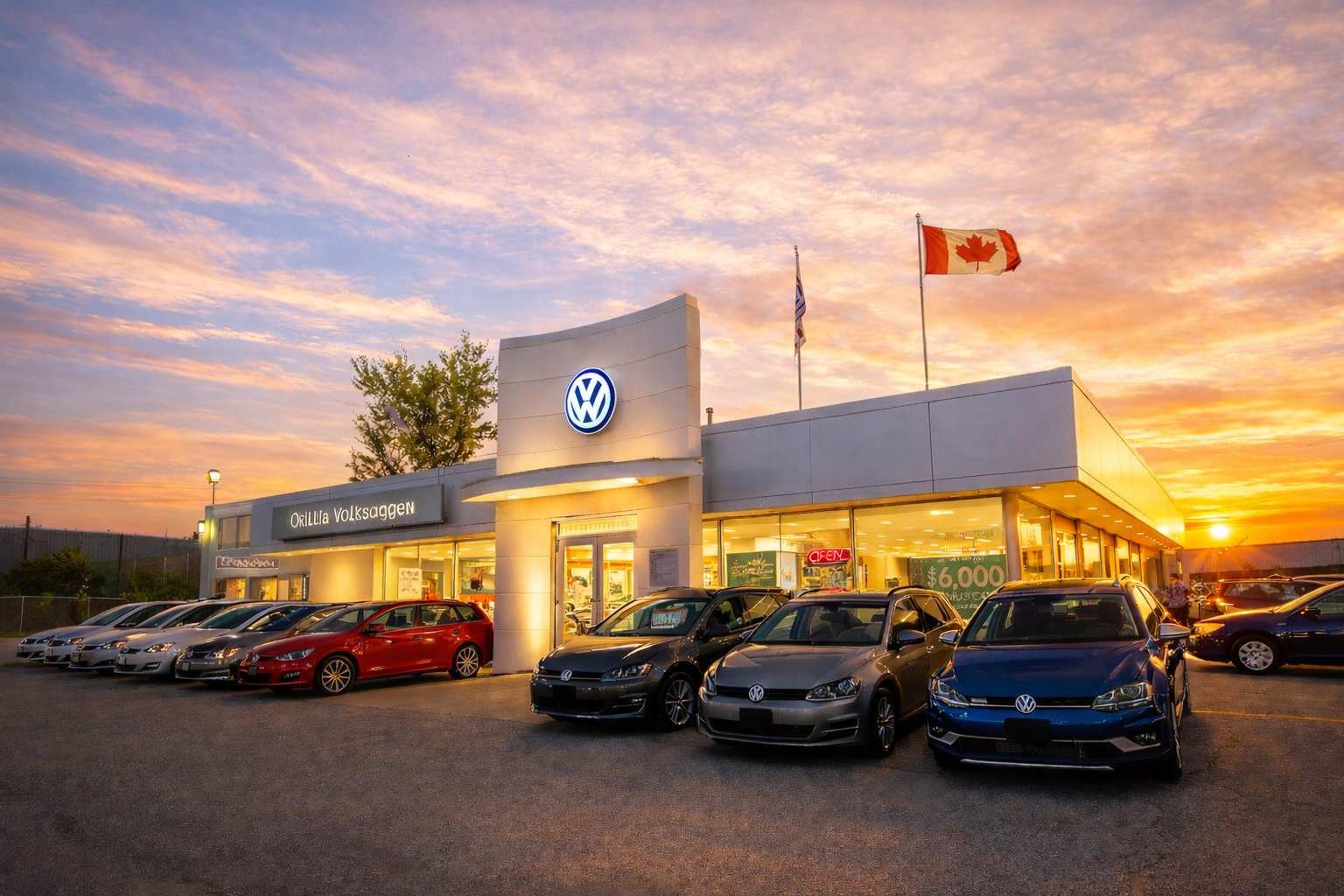
Volkswagen Dealership in Orillia, Ontario: Sales, Service & Financing
Orillia Volkswagen | Local Dealership Guide Volkswagen Dealership in Orillia, Ontario: Sales, Service & Financing Explore Volkswagen vehicles,...
Read morePowered and developed by
